You lose 20 pounds. Your clothes fit better. Your face looks leaner. Maybe you’re even... (scroll down to continue reading!)
You lose 20 pounds. Your clothes fit better. Your face looks leaner. Maybe you’re even stronger than you were before.
But that lower belly? Still there.
Or perhaps it’s your love handles, inner thighs, upper arms, or the stubborn area under your chin. This can be especially frustrating after you’ve put real effort into losing weight, including through lifestyle changes or medical weight loss in Tucson.
Here’s the part many people don’t realize: your body doesn’t lose fat evenly, and you can’t tell it where to lose fat first.
Genetics, hormones, fat-cell biology, age, sex, and even blood flow can influence where your body holds onto fat. And after significant weight loss, fat may not be the only issue. Loose skin and changes in muscle mass can affect your shape too.
That’s where a more personalized approach to body sculpting in Tucson can make sense.
Featured Snippet: Why Won’t Stubborn Fat Go Away With Diet and Exercise?
Stubborn fat can remain after weight loss because genetics, hormones, blood flow, and fat-cell receptor patterns influence where your body stores and releases fat. Areas such as the lower abdomen, flanks, hips, and thighs may respond more slowly. Non-surgical body sculpting can target localized subcutaneous fat and, depending on the technology, address skin laxity and texture too.
Weight Loss Shrinks Fat Cells, but It Doesn’t Choose Where
When you lose weight through a calorie deficit, exercise, or medical weight loss, your body draws energy from stored fat.
What you can’t do is choose where that energy comes from.
Doing hundreds of crunches doesn’t tell your body, “Take the fat from my lower abdomen today.” Those exercises can strengthen the muscles underneath, which is valuable, but localized exercise doesn’t selectively burn the fat directly above those muscles.
This explains why someone can make tremendous progress overall and still have one or two areas that seem strangely resistant.
The Biology Behind Stubborn Fat
There’s real physiology behind the frustration.
Alpha and Beta Receptors
Fat cells have adrenergic receptors that influence how readily stored fat is released.
In simplified terms:
- Beta receptors generally promote lipolysis, the process of releasing stored fat.
- Alpha-2 receptors can inhibit lipolysis, making fat more resistant to mobilization.
The distribution of these receptors varies throughout the body and between individuals.
Certain areas, including the hips, thighs, flanks, and lower abdomen, can be more resistant to fat mobilization. Differences in local blood flow also play a role.
So when your arms, face, or upper body lean out before your lower belly does, it doesn’t necessarily mean your weight-loss plan stopped working. Your body simply isn’t an equal-opportunity fat burner.
Genetics Matter More Than Most People Realize
Look around your family and you may notice patterns.
Some families tend to carry weight through the midsection. Others hold it around the hips and thighs. Some people can gain 15 pounds and barely see a difference in their stomach, while another person notices it there first.
You can influence your overall body composition tremendously through nutrition and activity. You cannot completely rewrite your genetic fat-distribution pattern.
Hormones Can Change Where You Carry Weight
Body composition can also change with age and hormonal shifts.
Changes involving estrogen, testosterone, insulin sensitivity, thyroid function, stress hormones, sleep, and other metabolic factors can affect appetite, muscle mass, energy expenditure, and where fat tends to accumulate.
Women may notice these changes around pregnancy, perimenopause, and menopause. Men can experience changes in body composition as testosterone levels decline with age.
This is one reason a good body-contouring consultation should look at the whole person rather than immediately selling a treatment package.
Visceral Fat vs. the Fat You Can Pinch
This distinction is extremely important.
Not every “stubborn belly” is something a body-contouring device can treat.
Visceral Fat
Visceral fat sits deeper in the abdomen around internal organs.
It cannot be grabbed between your fingers, and external body-contouring treatments are not designed to remove deep visceral fat.
Reducing visceral fat requires an overall health and weight-management strategy, which may include:
- Nutrition
- Regular physical activity
- Resistance training
- Adequate sleep
- Medical weight management when appropriate
- Addressing underlying metabolic or hormonal concerns
Subcutaneous Fat
Subcutaneous fat sits directly beneath the skin. It’s the soft, pinchable layer you can actually grab.
This is the type of localized fat that many non-surgical fat reduction treatments in Tucson are designed to address.
That distinction matters because treating the wrong problem with the wrong tool leads to disappointing results.
At ReKindle Beauty & Aesthetics, we believe the consultation should come before the device. First identify what is actually creating the shape you dislike, then determine what can realistically improve it.
Why GLP-1 Weight Loss Can Still Leave Stubborn Areas
This has become an increasingly common conversation as more people successfully lose significant amounts of weight with medications such as semaglutide and tirzepatide.
Medical weight loss can produce meaningful changes in overall body weight, but it still doesn’t allow you to dictate where your body loses fat.
Someone may lose substantial weight and still notice:
- A lower-abdominal pocket
- Love handles or soft flanks
- Fullness under the chin
- Loose abdominal skin
- Upper-arm laxity
- Inner-thigh laxity
- Changes in overall body shape
Sometimes what a patient describes as “stubborn fat” after weight loss isn’t entirely fat anymore.
It may be a combination of remaining subcutaneous fat, loose skin, and reduced muscle volume.
Those are three different concerns, and they shouldn’t automatically receive the same treatment.
Don’t Forget About Muscle During Weight Loss
This is particularly important during significant or rapid weight loss.
Weight loss can include both fat mass and lean mass. If maintaining muscle isn’t part of the strategy, you may reach a lower number on the scale without getting the firm, athletic body composition you expected.
Protein intake and resistance training become especially important during weight loss. Depending on the individual, medical evaluation of hormones and other health factors may also be appropriate.
Think of body composition as more than “fat versus skinny.”
Fat, muscle, and skin all contribute to the silhouette you see in the mirror.
That’s why chasing an increasingly lower scale number isn’t always the answer to a stubborn area.
Common Stubborn Areas We See in Tucson
Everyone carries weight differently, but a few patterns come up frequently.
Lower Abdomen
The lower belly is probably the classic example.
Someone may lose weight everywhere else while retaining a small, soft pocket below the belly button. Pregnancy, hormonal changes, genetics, and skin laxity can all influence how this area looks. Schedule an appointment.
Flanks and Love Handles
The waist can become noticeably smaller while the flanks remain resistant.
Even relatively small pockets can change how clothing fits and obscure the waistline someone worked hard to uncover.
Hips and Thighs
Women commonly store subcutaneous fat around the hips and thighs. Genetics and hormonal influences can make these areas particularly resistant to further weight loss.
Upper Arms
After weight loss, upper-arm concerns may involve both residual fat and loose skin.
That distinction matters because removing volume without addressing laxity may not produce the result someone expects.
Under the Chin
A relatively small amount of submental fat can have an outsized effect on facial definition. Genetics play a major role here, which is why even otherwise lean people can have fullness beneath the chin.
Fat, Loose Skin, or Muscle? Start With the Right Question
Before deciding you need “fat removal,” ask what is actually bothering you.
If you can pinch a localized pocket, subcutaneous fat may be part of the problem.
If the area looks wrinkled, crepey, or loose after significant weight loss, skin laxity may be playing a larger role.
If you’ve lost considerable weight and now feel smaller but less firm, preserving or rebuilding muscle may be important.
Frequently, it’s a combination of all three.
That’s where customized body contouring becomes much more useful than choosing a treatment because you saw an ad for it.
How Medical Weight Loss and Body Contouring Can Work Together
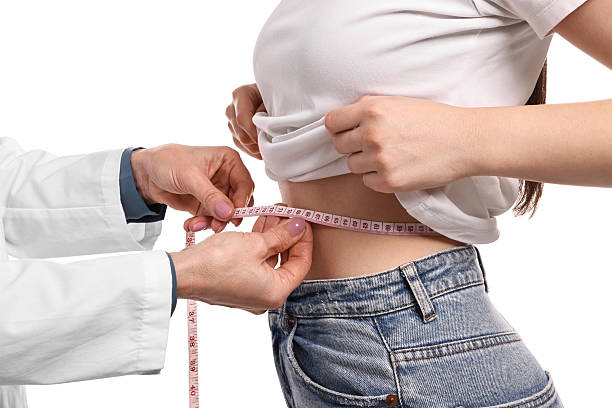
Medical weight loss and body contouring solve different problems.
Weight-loss treatment is designed to help reduce overall body weight and improve weight management. Body contouring is intended to refine specific areas once you’re closer to where you want to be.
For someone with significant weight to lose, medical weight loss in Tucson may make sense first.
Once weight is trending toward a stable range, contouring can address the areas that didn’t change proportionately.
This sequencing can be especially useful after GLP-1-assisted weight loss, where the final concern may involve a combination of stubborn fat and skin laxity rather than simply “more weight to lose.”
How Non-Surgical Body Contouring Works
There isn’t one universal body-contouring technology that is best for every person or every area.
Different treatments use different mechanisms.
Radiofrequency
Radiofrequency treatments deliver controlled thermal energy into targeted tissue.
Depending on the technology and treatment parameters, RF can be used to address skin laxity, tissue texture, and body-contouring concerns. Heating the dermal layers can stimulate collagen remodeling, which may gradually improve firmness.
This can make RF particularly interesting when someone says, “I lost the weight, but now the skin doesn’t look as tight as I hoped.”
Cryolipolysis
Cryolipolysis uses controlled cooling to damage susceptible fat cells while protecting surrounding tissue.
The body gradually clears the affected cells over the following weeks and months.
Because this process takes time, cryolipolysis isn’t an instant before-and-after treatment. Results develop progressively.
Injectable Fat Reduction
Deoxycholic acid is an injectable treatment used to destroy fat cells in appropriately selected areas. Its FDA-approved cosmetic indication is for submental fat beneath the chin.
Swelling is expected after treatment, and it isn’t intended as a replacement for large-area body contouring.
Where T-SHAPE 2 Fits In
At ReKindle, our primary approach to non-surgical body contouring in Tucson is T-SHAPE 2.
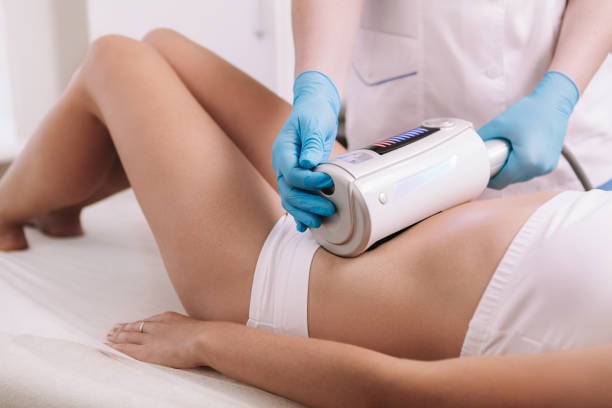
Rather than relying on a single mechanism, T-SHAPE 2 combines multiple technologies, including radiofrequency, low-level laser therapy, and vacuum-assisted massage.
This allows us to approach several concerns within the same treatment plan, including:
- Localized body-contouring concerns
- Skin firmness
- The appearance of cellulite
- Skin texture
- Circulation and lymphatic support
That combination can be particularly useful after significant weight loss because the issue isn’t always simply “there’s still fat here.”
Someone may have lost the volume they wanted to lose but still want help improving how the skin and underlying tissue look.
Body Sculpting Isn’t a Replacement for Weight Loss
This is one of the most important expectations to set.
Non-surgical body sculpting is not designed to produce major weight loss.
It works best as a refinement tool.
A strong candidate is generally someone who:
- Is reasonably close to their goal or stable weight
- Has a localized area they would like to improve
- Understands that results are gradual
- Has realistic expectations
- Is willing to maintain healthy habits
- Has been medically cleared for the selected treatment
If you still have significant weight to lose, addressing that first may produce a much bigger change than contouring one small area.
And if you have substantial loose or hanging skin after major weight loss, non-surgical technology may not provide the degree of correction you want. In those cases, discussing surgical options may be more appropriate.
Good aesthetic care includes knowing when not to sell someone a treatment.
What Happens During a T-SHAPE 2 Treatment?
T-SHAPE 2 treatments are non-surgical and performed in-office.
During treatment, the applicator moves across the targeted area while delivering controlled energy and vacuum-assisted massage. Many clients describe the sensation as warm and similar to a firm massage.
Treatment time depends on the areas being addressed.
Most people can return to their normal routine afterward, although temporary redness, warmth, tenderness, or other short-term effects can occur.
Your ReKindle provider will explain what to expect based on your individual treatment plan.
How Many Body Sculpting Sessions Will I Need?
There isn’t one honest answer for everyone.
Your treatment plan depends on:
- The area being treated
- Amount of subcutaneous fat
- Skin laxity
- Tissue quality
- Your goals
- Treatment modality
- How your body responds
Non-surgical contouring is often performed as a series rather than a one-time treatment.
That’s another reason we prefer starting with a consultation instead of simply selling a predetermined package.
When Will I See Body Sculpting Results?
Patience matters.
Depending on the treatment, some changes may become noticeable within several weeks, while collagen remodeling and other tissue changes can continue developing over the following months.
Body contouring isn’t the treatment to book on Thursday because you want a completely different stomach by Saturday.
Gradual improvement is part of what makes non-surgical treatments appealing. There are no incisions or surgical recovery, but your body still needs time to respond.
Are Body Sculpting Results Permanent?
This depends on what you mean by permanent.
Fat cells that are permanently destroyed and cleared by the body do not regenerate in the same way. However, the remaining fat cells can still enlarge if you gain weight.
Skin and muscle also continue to change with:
- Aging
- Hormonal changes
- Pregnancy
- Weight fluctuations
- Activity level
The best way to think about body contouring is as an investment in your current body composition, not immunity from future changes.
Maintaining a relatively stable weight, eating well, staying active, getting adequate protein, and preserving muscle can help protect your results.
What Should a Body Sculpting Consultation Include?
A useful body sculpting consultation in Tucson should answer more than, “Which package do you want?”
We want to understand:
- Is the area primarily subcutaneous fat, visceral fat, loose skin, or a combination?
- Are you still actively losing significant weight?
- Is muscle loss affecting your shape?
- What outcome are you actually hoping to achieve?
- Which treatment makes sense for that concern?
- How many sessions are realistically expected?
- When should you expect to see the final result?
- What can the treatment not accomplish?
Those last two questions are especially important.
A provider who can clearly explain the limitations of a treatment is usually more valuable than one promising dramatic results to everyone who walks through the door.
Tucson Heat and Body Contouring Aftercare
Living in Tucson adds a few practical considerations.
After treatment, follow the specific aftercare instructions your provider gives you. Depending on the modality, the area may temporarily feel warm, sensitive, swollen, or tender.
Staying adequately hydrated is sensible, particularly during Southern Arizona’s hottest months.
Light movement is generally encouraged after many non-surgical treatments, but strenuous exercise, excessive heat, saunas, or hot yoga may need to wait depending on the procedure and how the area feels.
And no, drinking extra water does not magically “flush away fat.” Hydration is simply part of taking care of yourself and feeling better during recovery.
Stop Chasing the Scale When the Scale Isn’t the Problem
There comes a point when losing another five or ten pounds may not solve the thing that is bothering you.
You may lose more from your face, chest, or other areas before that genetically stubborn lower-abdominal pocket finally changes. You may also sacrifice muscle in pursuit of a smaller number.
Sometimes the better question isn’t:
“How do I lose more weight?”
It’s:
“What is actually causing this area to look the way it does?”
That might be residual fat. It might be loose skin. It might be muscle loss. Often, it’s some combination of the three.
Once you know that, you can choose a treatment based on the problem instead of continuing to fight your body.
Body Sculpting in Tucson at ReKindle Beauty & Aesthetics
If you’ve been consistent with diet, exercise, or medical weight loss and still have an area that won’t budge, you haven’t necessarily reached the end of the road.
You may simply need a more targeted approach.
ReKindle Beauty & Aesthetics combines medical weight-management options with T-SHAPE 2 body contouring so we can look at both the bigger picture and the specific areas you’d like to refine.
With Tucson locations on Oracle Road in North Tucson and Broadway Boulevard in East Tucson, our team can help determine whether your concern is primarily stubborn fat, loose skin, body composition, or something better addressed another way.
Contact ReKindle Beauty & Aesthetics to schedule a consultation and find out what makes sense for your body and your goals.
Frequently Asked Questions
Why does my lower belly stay even when I lose weight?
Genetics, hormones, fat-cell receptor patterns, and differences in blood flow can influence where your body stores and releases fat. The lower abdomen is a commonly resistant area. If you’re otherwise near your goal weight, the remaining fullness may involve subcutaneous fat, loose skin, or both.
Can I spot-reduce belly fat with crunches?
No. Abdominal exercises strengthen the muscles underneath your abdominal fat, but they cannot tell your body to burn fat specifically from that area. Overall fat loss comes from broader metabolic changes.
If I keep losing weight, will stubborn fat eventually disappear?
It may continue to decrease, but there’s no guarantee it will disappear in the proportions you want. If you’re already near a healthy, stable weight, continuing to lose weight solely to eliminate one small pocket may affect other areas and potentially reduce lean mass.
What is the difference between visceral and subcutaneous belly fat?
Visceral fat is located deeper in the abdomen around internal organs and responds to overall weight-management and metabolic strategies. Subcutaneous fat sits beneath the skin and can usually be pinched. Non-surgical body-contouring treatments primarily address appropriate subcutaneous tissue rather than visceral fat.
Can medical weight loss injections be combined with body contouring?
Potentially, yes. Medical weight management and body contouring serve different purposes and can sometimes complement one another. Your provider should determine the appropriate timing based on your weight trajectory, nutrition, body composition, health history, and goals.
Can I get body contouring while taking a GLP-1 medication?
Some patients may be candidates for body contouring while using a GLP-1 medication, but timing should be individualized. If your weight is still changing rapidly, it may make sense to wait or sequence treatments strategically so the contouring plan reflects your eventual body composition.
Does T-SHAPE 2 replace liposuction or a tummy tuck?
No. T-SHAPE 2 is a non-surgical treatment intended for appropriate body-contouring, skin, and texture concerns. Liposuction can remove substantially more fat, while abdominoplasty can address significant excess skin and abdominal-wall concerns that non-surgical treatments cannot.
Is there downtime after T-SHAPE 2?
Most people can return to their normal activities after treatment. Temporary warmth, redness, tenderness, or other mild effects may occur. Your provider will give you specific aftercare instructions based on the treatment area.
How many T-SHAPE 2 sessions will I need?
Treatment plans vary based on the area, amount of tissue being treated, skin quality, and desired outcome. Many non-surgical contouring approaches are performed as a series rather than a single session.
Treatment plans vary based on the area, amount of tissue being treated, skin quality, and desired outcome. Many non-surgical contouring approaches are performed as a series rather than a single session.
It depends on the treatment. Some improvements may become noticeable within several weeks, while changes involving fat clearance or collagen remodeling can continue developing over several months.
Are non-surgical fat-reduction results permanent?
Fat cells that are permanently destroyed and cleared do not simply return, but remaining fat cells can enlarge with future weight gain. Maintaining a relatively stable weight helps preserve the contour achieved.
Does IV therapy melt stubborn fat?
No. IV therapy does not directly destroy or remove fat cells. It may be used for hydration or other medically appropriate supportive purposes, but it should not be presented as a replacement for weight loss or body contouring.
Can body sculpting tighten loose skin after weight loss?
Certain energy-based treatments can improve mild to moderate skin laxity by supporting collagen remodeling. The degree of improvement depends on the amount of excess skin, age, tissue quality, and treatment used. Significant hanging skin may require surgical evaluation.
Is body sculpting a weight-loss treatment?
No. Body sculpting is best viewed as a contouring and refinement treatment for appropriately selected areas. If significant overall weight loss is still needed, a medical weight-management plan may be the better starting point.